The History of Technology, from Fire to AI
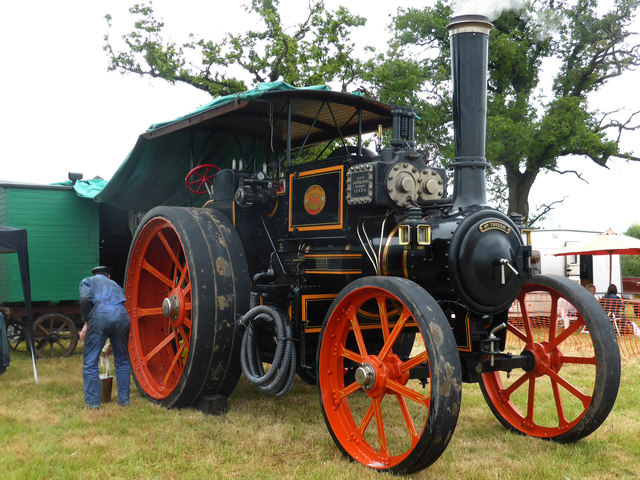
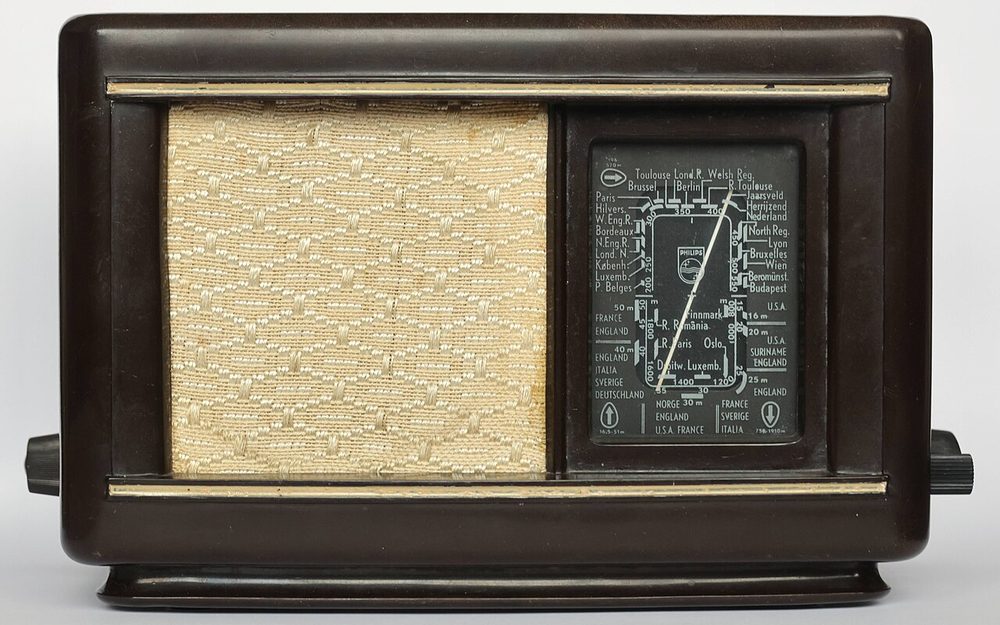
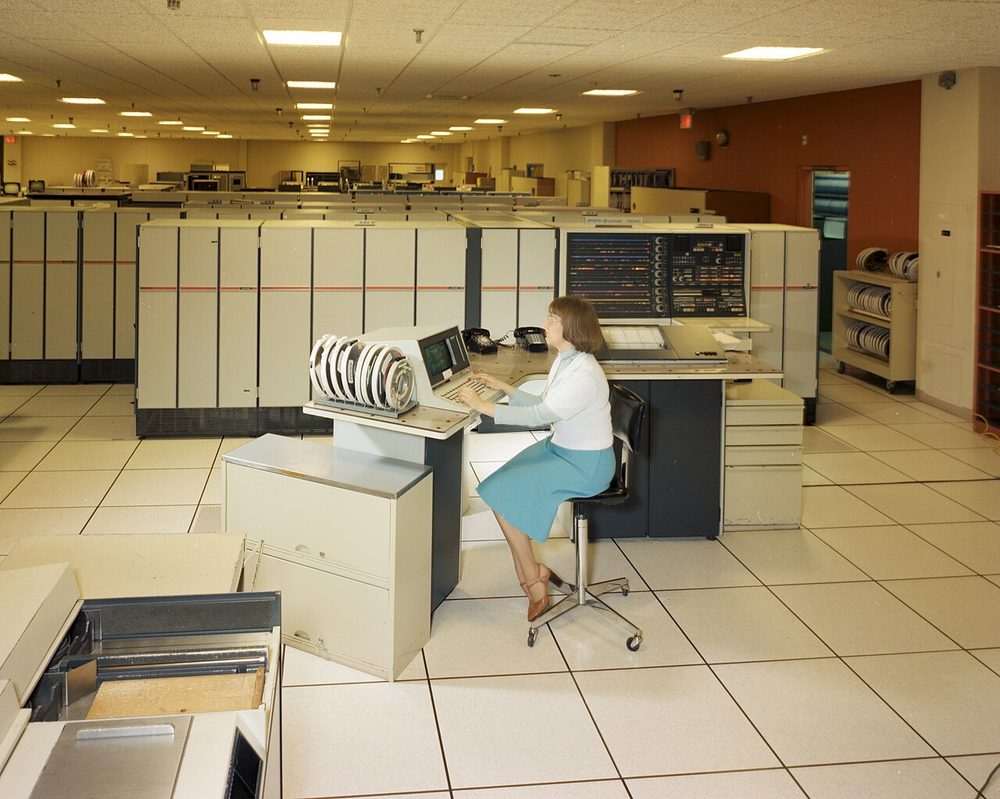
Technology is the story of how humans learned to do more with less: a sharp stone instead of bare hands, a wheel instead of dragging, a printed book instead of a copied one, a phone that holds a whole library. This site tells that story in eleven chapters, from the first stone tools — 3.3 million years old — to the artificial intelligence of today. Each guide explains one great technology in plain English: what it is, who made it, how it works, and what it changed. Start anywhere; the story makes sense in any order, but it is best read from the beginning.
Start here
Five numbers tell the story. The oldest stone tools ever found, at Lomekwi in Kenya, are 3.3 million years old — older than our own species. The first powered flight, on 17 December 1903, lasted 12 seconds and covered 120 feet. The first general-purpose electronic computer, ENIAC (1945), used 17,468 vacuum tubes and filled a room; the first microprocessor, the Intel 4004 (1971), held 2,300 transistors on a chip the size of a fingernail. And the internet, whose first message in 1969 was two letters long, now reaches about 6 billion people — roughly three-quarters of humanity.
The first tools
- Fire and Stone Tools — the oldest technologies of all: stone tools 3.3 million years old and the fire that cooked our food.
- The Wheel — invented around 3500 BCE in Mesopotamia, first for pottery, only later for carts.
- Writing and the Printing Press — how writing stored knowledge, and how Gutenberg's press made it cheap.
The machine age
- The Steam Engine and the Industrial Revolution — Newcomen 1712, Watt 1776, and the factories and railways that remade the world.
- Electricity — Faraday 1831, Edison's light bulb 1879, and the grid that powers everything.
- The Telephone and Radio — Bell 1876, Marconi 1901, and the first instant conversations.
- Flight — the Wright brothers 1903, Lindbergh 1927, and the jet age of 1958.
The digital age
- Computers — from ENIAC's 17,468 vacuum tubes to the microprocessor on a chip.
- The Internet — from the first message "LO" in 1969 to 6 billion people online.
- Smartphones — the IBM Simon 1994, the iPhone 2007, and the computer in your pocket.
- Artificial Intelligence — Turing's question in 1950, Deep Blue 1997, AlphaGo 2016, and ChatGPT 2022.
What this site will not do
Technology Decoded is general information for curious readers, not technical advice for any specific purpose — it will not tell you what to buy, what to invest in, or how to build anything. It recommends no products, ranks no "best" tools, carries no affiliate links, and never collects your email address. Dates before the modern era are approximate, and the guides say so where the evidence is uncertain; where historians disagree, the guides name the debate instead of picking a side.
All dates on this site were checked against the sources named on each page on 27 November 2026. Dates before the modern era are approximate, and each guide says where the evidence is uncertain or historians disagree.
Sources: This site's facts come from primary and reference sources named on each page: Nature, the Smithsonian Institution, NASA, the US National Park Service, the International Telecommunication Union, CERN, the Computer History Museum, the British Library, and the Encyclopaedia Britannica.