Smartphones: The Computer in Your Pocket
In 1994, IBM sold a phone with a touchscreen, email, and apps — and almost nobody bought it. Thirteen years later, Apple sold a phone that did the same things beautifully, and the world changed in a weekend. The smartphone is not one invention but many, packed into a slab of glass: a telephone, a camera, a map, a music player, a bank, and a computer, all sharing one screen and one connection to the internet. It is the most widely used computer in history — and the fastest-spreading technology ever made.
In short
The first smartphone was the IBM Simon, released in 1994, with a touchscreen, email, and apps — but it was expensive and ahead of its time. The modern smartphone era began with the iPhone, announced in January 2007 and on sale from 29 June 2007, followed by the first Android phone in October 2008. Today there are more mobile subscriptions in the world than people, and the smartphone is how most of humanity reaches the internet.
The first smartphone almost nobody remembers
The IBM Simon Personal Communicator went on sale in the United States in August 1994. It had a monochrome touchscreen, a stylus, and built-in apps: a calendar, an address book, a calculator, email, and fax. By any fair definition, it was a smartphone — a phone that was also a computer. But it cost about $899 (roughly $1,900 in today's money), its battery lasted about an hour of talking, and the mobile networks of 1994 were slow and expensive. Only about 50,000 were sold before it was discontinued in 1995. The idea was right; the world was not ready.
Over the next decade, phones got smarter in steps. Nokia's Communicator series and Research In Motion's BlackBerry, launched in the early 2000s, put email in the pockets of businesspeople. Cameras appeared in phones in the early 2000s, and by 2005 a phone camera was good enough to replace a cheap compact camera for many people. But phones were still designed around keys and small screens, and using the internet on them was slow and awkward.
The iPhone changes the shape
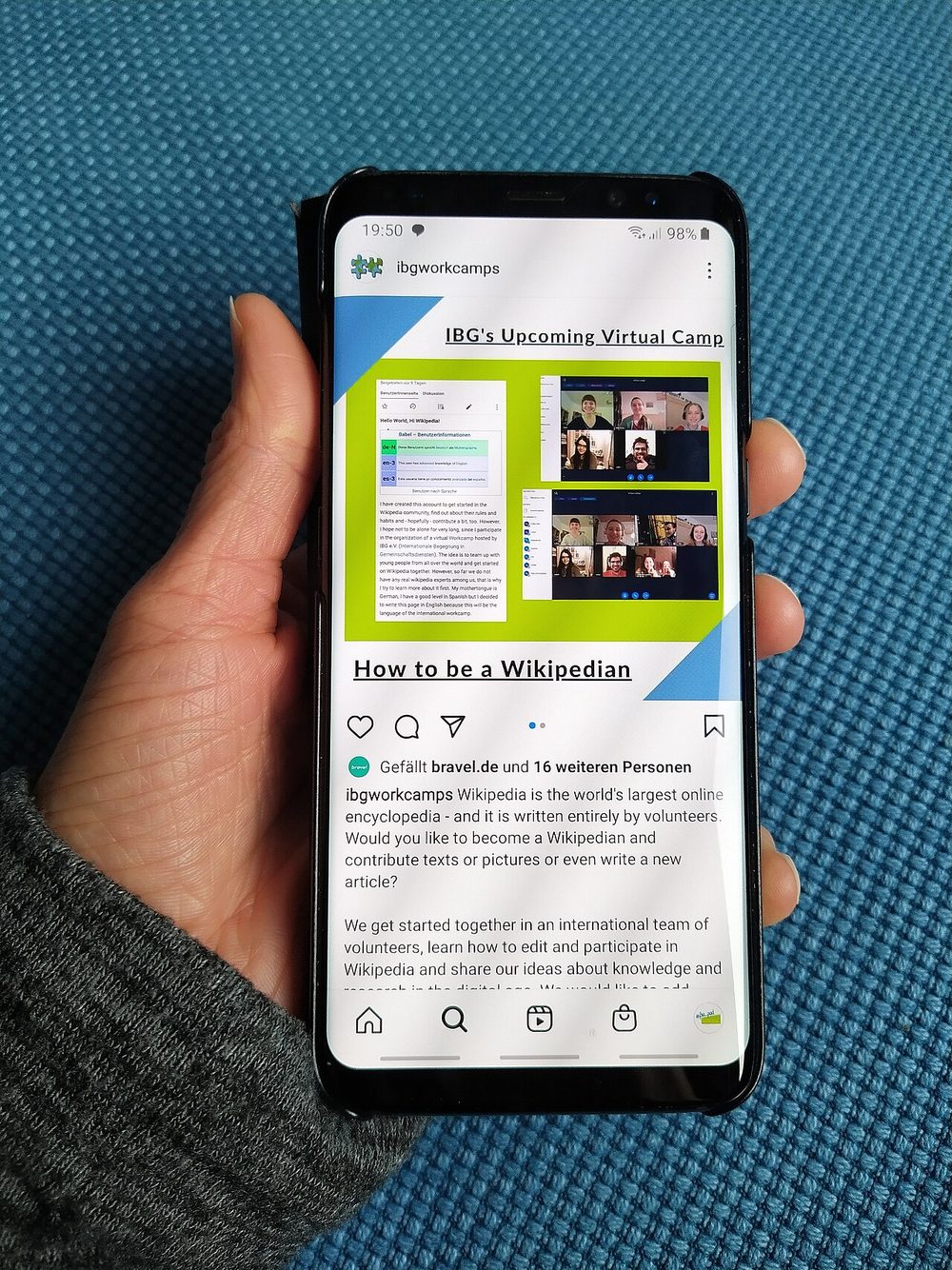
On 9 January 2007, Apple's Steve Jobs introduced the iPhone as three things at once: "a widescreen iPod with touch controls, a revolutionary mobile phone, and a breakthrough internet communicator". The key change was the screen: a large, multi-touch display with no physical keyboard, so the whole face of the phone could become whatever the app needed — a keyboard, a map, a photo, a web page. It went on sale in the United States on 29 June 2007, and people queued for hours to buy one. The first Android phone, the HTC Dream, followed in October 2008, and in the same year Apple and Google opened their app stores — shops where anyone could buy and download software for their phone.
The app store was the second revolution. Before it, the software on a phone was chosen by the manufacturer and the network operator. After it, millions of developers could write apps for billions of users, and the phone became a platform: banking, ride-hailing, food delivery, photography, games, and work tools all arrived as apps. The phone stopped being a device with features and became a device that could gain new features overnight.
What the smartphone changed
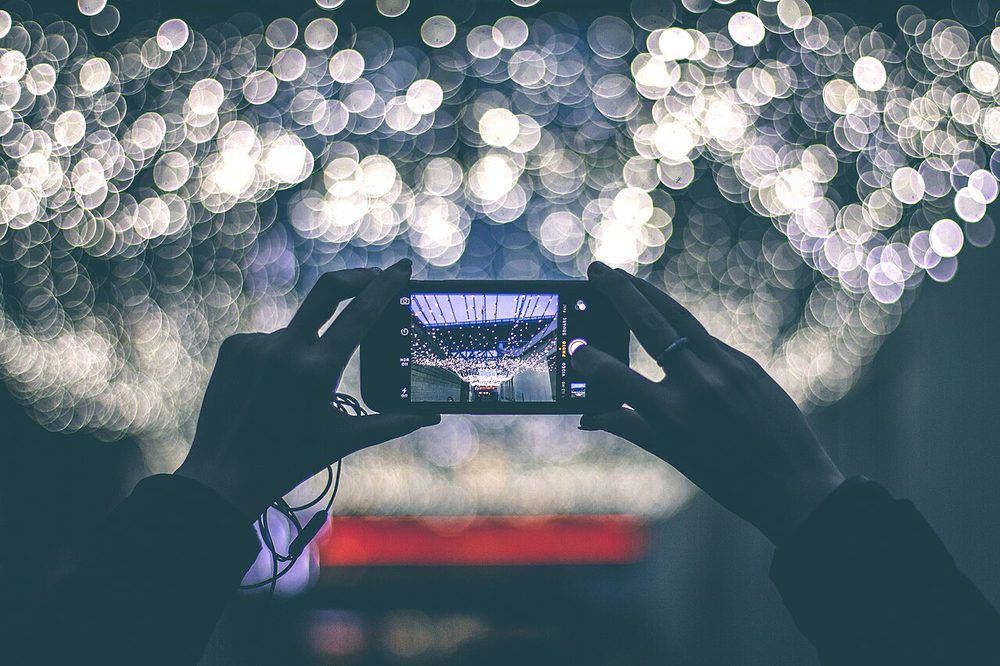
The smartphone changed how people navigate, remember, and communicate. Maps with live traffic replaced paper maps and asking directions. Cameras in every pocket made everyone a photographer — and changed news, because the first images of an event now usually come from a bystander, not a news crew. Messaging apps replaced phone calls for a generation. Mobile banking brought financial services to people who had never had a bank account, especially in Africa and Asia, where the phone is often a person's first and only computer.
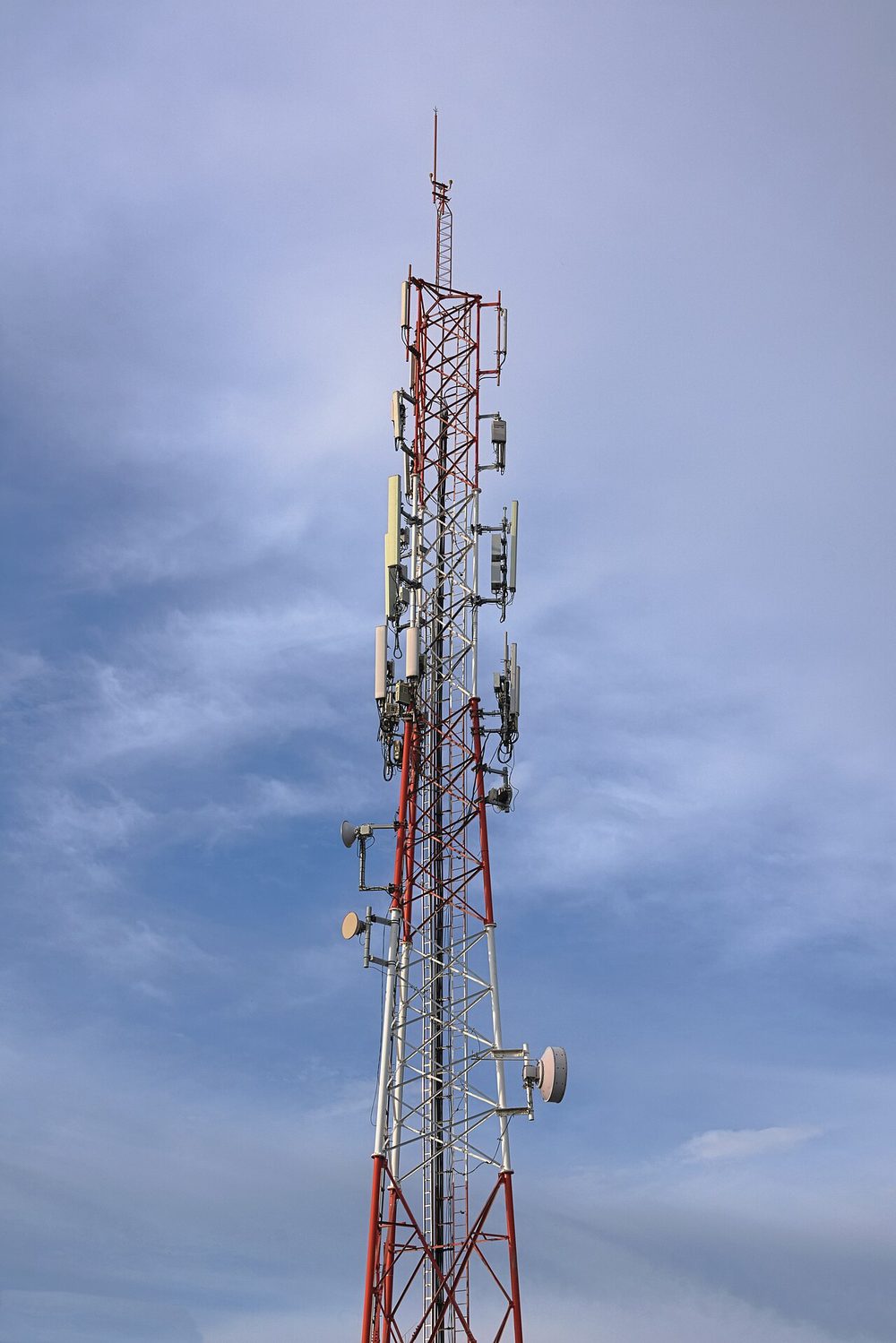
The numbers are striking. There are now more mobile-cellular subscriptions in the world than people on Earth, according to the International Telecommunication Union, and the smartphone is how most of humanity first gets online. A device that cost $899 and sold 50,000 units in 1994 now sells in the billions and costs, at the cheapest end, less than a week's wages in many countries. It is the fastest-spreading technology in history — faster than the radio, the television, or the personal computer — because it combined so many earlier inventions into one object that fits in a pocket.
The cost of carrying everything
The smartphone has costs as well as benefits, and this site would not be honest without naming them. Constant notifications and endless scrolling are designed to hold attention, and many people — especially teenagers — report that their phones make it harder to concentrate and sleep. The devices are also hard to repair and quick to replace, creating mountains of electronic waste. And a phone that knows your location, your contacts, and your habits raises real questions about privacy, which is why the laws and settings around data collection have become one of the big policy debates of our time. The smartphone is the most useful tool ever made, and the one that most needs to be used deliberately.
Sources: Britannica, "Smartphone" and "iPhone"; Computer History Museum, "IBM Simon"; International Telecommunication Union, "Facts and Figures 2025"; History.com, "The First Smartphone"; GSM Association (GSMA), "The Mobile Economy" Checked 27 November 2026.