The Steam Engine and the Industrial Revolution
For most of human history, the only sources of power were muscle, wind, and flowing water — and all three had limits. A mill could only be built beside a river, and a horse could only pull so much. The steam engine broke those limits. It turned heat into motion, anywhere, at any scale, and it did so from the cheapest fuel of the age: coal. Within a century of the first practical steam engine, factories, railways, and steamships had remade Britain, then Europe, then the world.
In short
Thomas Newcomen built the first practical steam engine in 1712 to pump water out of coal mines, and James Watt's much-improved engine, in commercial use from 1776, made steam power efficient enough for factories, mills, and transport. Steam power drove the Industrial Revolution: it moved production from homes and workshops into factories, and it moved people and goods by railway and steamship.
A pump for flooded mines
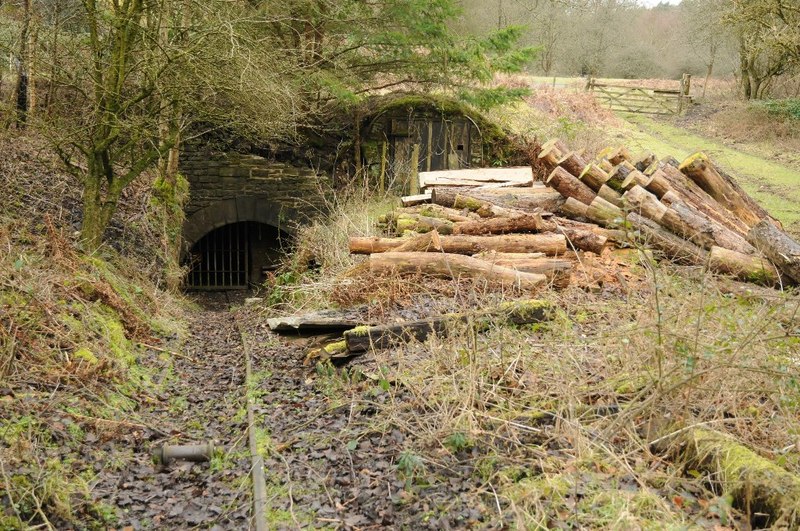
The steam engine was born out of a very practical problem: coal mines kept flooding. As miners dug deeper, water seeped in faster than men and horses could pump it out. In 1712, Thomas Newcomen, an English ironmonger, built an engine that solved the problem. It burned coal to boil water, and the steam pushed a piston up; cold water then condensed the steam, the pressure dropped, and the weight of the atmosphere pushed the piston back down. That slow, heavy motion drove a pump. Newcomen's engine was wasteful — it burned a great deal of coal — but coal was cheap at the pithead, and the engine worked. Within a few decades, hundreds were pumping mines across Britain.
Watt makes steam efficient
The great improvement came from James Watt, a Scottish instrument maker. In the 1760s, Watt was asked to repair a model Newcomen engine at the University of Glasgow, and he noticed its fatal flaw: the cylinder was heated and then cooled on every stroke, wasting most of the fuel. His answer, patented in 1769, was a separate condenser — a second chamber where the steam was cooled, so the main cylinder stayed hot. The result used far less coal for the same work. Watt's engines went into commercial use from 1776, and with his business partner Matthew Boulton he sold them to mines, mills, and factories across Britain.
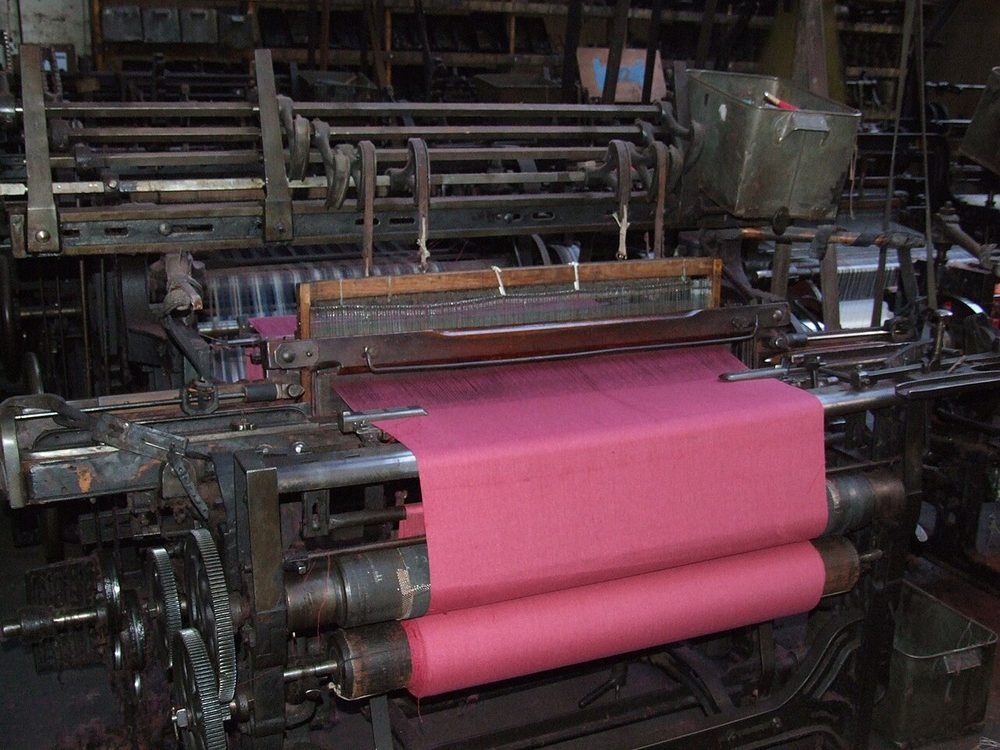
Watt also solved the second problem: turning the engine's up-and-down motion into rotary motion that could drive machinery. By the 1780s, steam engines were spinning cotton mills, rolling iron, and grinding grain — work that had previously needed a river or a team of horses. A factory could now be built anywhere there was coal, and it could run day and night.
Railways and steamships
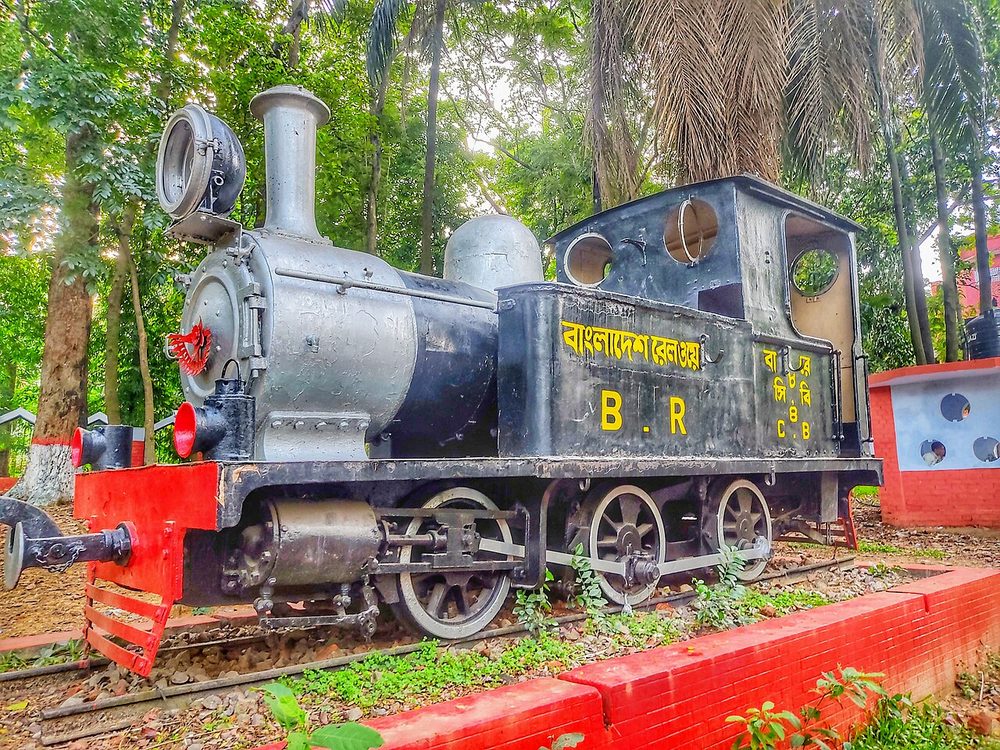
Steam's most visible triumph was transport. In 1807, Robert Fulton's steamboat Clermont carried passengers up the Hudson River in New York, proving that steamships could work commercially. Then came the railway. In 1829, George Stephenson's locomotive Rocket won the Rainhill Trials, and in 1830 the Liverpool and Manchester Railway opened as the world's first railway built for both passengers and freight. Within twenty years, Britain had thousands of miles of track, and railways were spreading across Europe and North America. Journeys that had taken days by horse now took hours, and fresh food, coal, and factory goods could reach towns that had never had them before.
What the Industrial Revolution changed
The steam engine did not just make things faster; it reorganised society. Before it, most goods were made by hand in homes and small workshops. After it, production moved into factories, where hundreds of workers tended machines on fixed hours. Towns grew into industrial cities almost overnight — Manchester, Birmingham, and later Pittsburgh and Essen — and millions of people moved from farms to factory work. Wages rose over time, and goods became cheaper than ever before, but the change was harsh: long hours, dangerous machinery, child labour, and smoke-filled air were the price paid in the first decades, and it took laws and unions many years to tame them.
The pattern steam set has repeated with every energy revolution since: a new way to turn fuel into motion reorganises where people live, what they can afford, and how they work. Steam did it first, and it did it on a scale that still shapes the world — the railways, the factories, and the industrial cities it created are still with us today.
Sources: Britannica, "Steam engine" and "Industrial Revolution"; Science Museum, London, "Steam engines"; History.com, "Industrial Revolution"; National Railway Museum, "Stephenson's Rocket" Checked 27 November 2026.