The Telephone and Radio: The First Instant Conversations
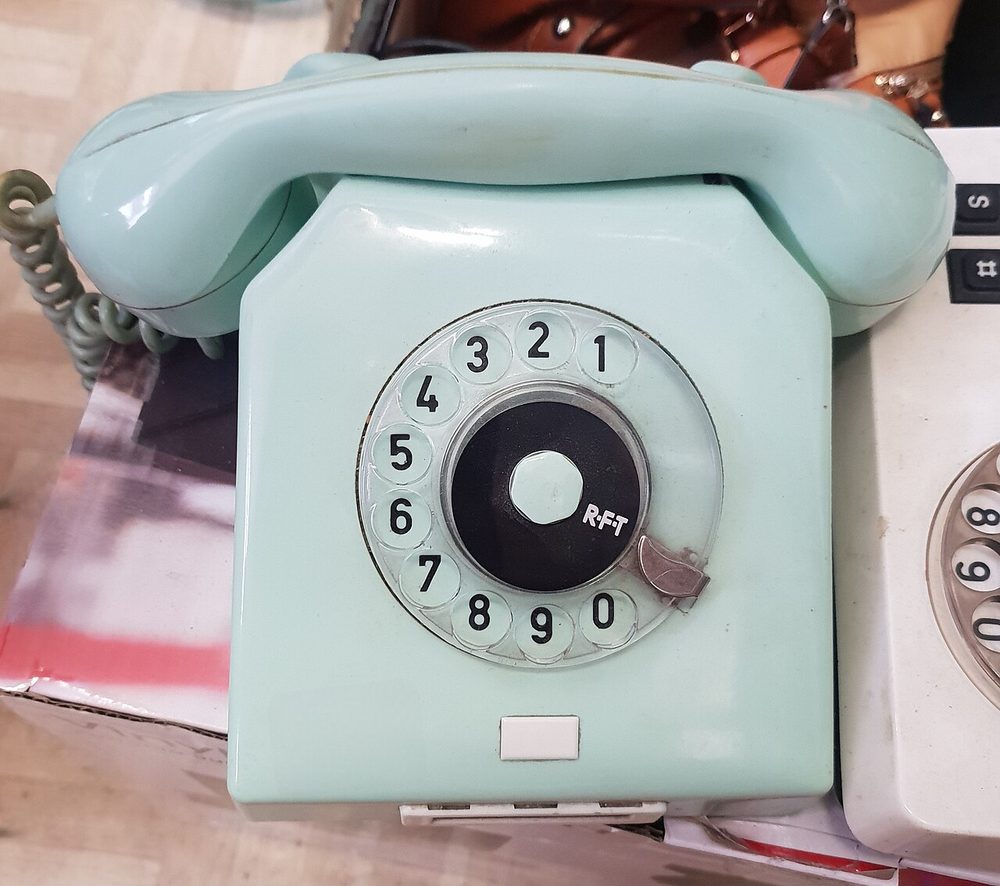
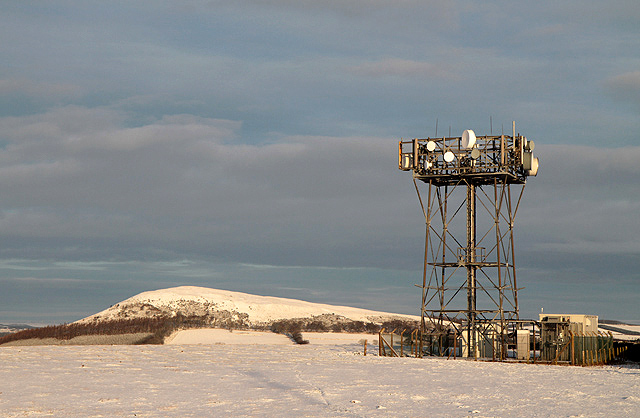
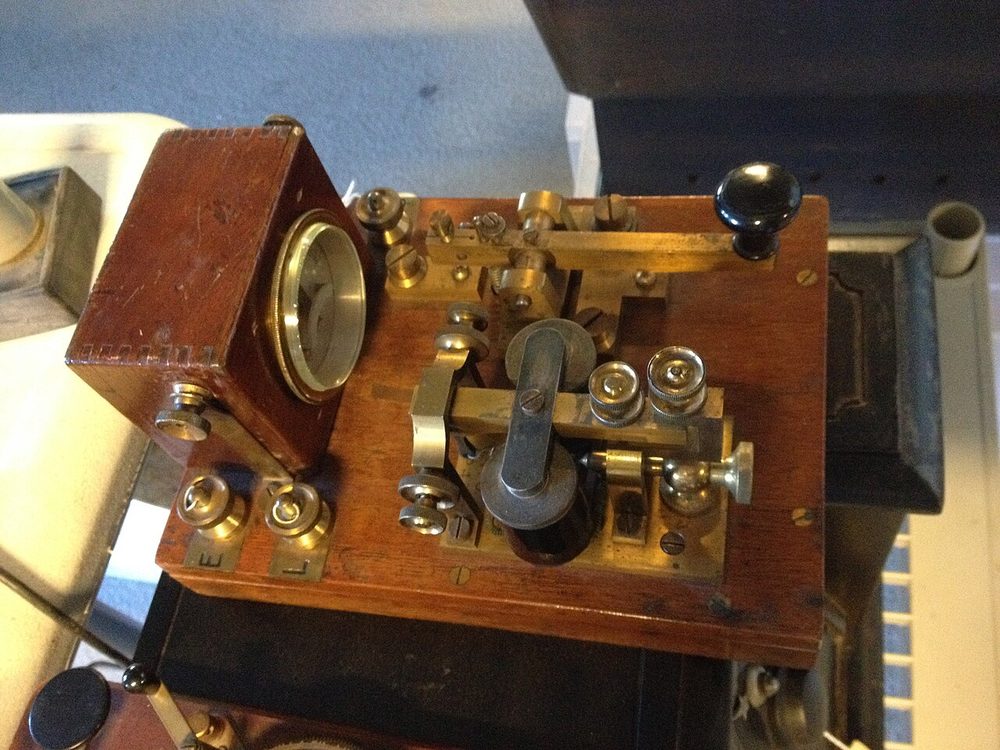
Before the telephone, a message travelled as fast as a person, a horse, or a ship. A letter from London to New York took weeks. The telegraph, in the 1840s, was the first crack in that limit — but it sent dots and dashes, not voices, and it needed a trained operator at each end. The telephone changed the rule entirely: for the first time, two ordinary people could talk to each other across a city, then across a continent, in real time. Radio went further still, sending one voice to thousands of listeners at once, with no wires at all.
In short
Alexander Graham Bell patented the telephone on 7 March 1876 and spoke the first intelligible sentence over it three days later: "Mr. Watson, come here, I want to see you." Guglielmo Marconi sent the first wireless signal across the Atlantic in December 1901, and commercial radio broadcasting began in the 1920s. Together, the telephone and radio made instant, long-distance communication ordinary.
The telephone: a voice on a wire
Alexander Graham Bell was a teacher of the deaf, and his work on sound and speech led him to the idea of sending a voice along a wire. On 7 March 1876, the US Patent Office granted him the patent for "an apparatus for transmitting vocal or other sounds telegraphically". Three days later, on 10 March, in his Boston workshop, Bell spoke into his new device and his assistant, Thomas Watson, heard him clearly in the next room: "Mr. Watson, come here, I want to see you." It was the first intelligible sentence ever transmitted by telephone.
The telephone spread fast. Within a year, the first telephone exchange opened, letting callers connect to each other through a switchboard. By the early 1900s, millions of Americans had a telephone, and in 1915 the first transcontinental call connected Bell in New York with Watson in San Francisco — a conversation across a continent that would have taken weeks by post. The telephone changed business, family life, and emergencies alike: for the first time, you could reach someone the moment you needed them, without going anywhere.
Radio: voices without wires
The telephone still needed a wire between the two speakers. Radio removed even that. Its foundations were laid by the Scottish physicist James Clerk Maxwell, who predicted radio waves in the 1860s, and the German physicist Heinrich Hertz, who proved they existed in the 1880s. The Italian inventor Guglielmo Marconi turned the physics into a working system: by 1896 he was sending wireless telegraph signals over miles, and in December 1901 he claimed the first transatlantic wireless signal — the letter "S" in Morse code, sent from Cornwall in England and received in Newfoundland, Canada. The claim was disputed at the time, and still is by some historians, but wireless telegraphy was soon working reliably across the Atlantic, and ships at sea could now call for help — a fact that saved hundreds of lives when the Titanic sank in 1912.
Broadcasting: one voice, millions of ears
The next step was to send not Morse code but actual sound. In 1920, station KDKA in Pittsburgh, Pennsylvania, began the first licensed commercial radio broadcasts in the United States, and within a few years radio stations were appearing in every city in America and Europe. Families gathered around the radio in the evening for news, music, sport, and drama — the first mass medium that entered the home, and the first that everyone experienced at the same moment.
Radio changed politics as well as entertainment. Leaders could now speak directly to the whole nation: Franklin D. Roosevelt's "fireside chats" in the 1930s, and Winston Churchill's wartime broadcasts in Britain, reached millions of people in their own living rooms. Radio also became the backbone of emergency communication, aviation, and shipping — and, later, the basis for television, radar, and mobile phones. Every wireless technology today, from Wi-Fi to satellites, is a descendant of Marconi's spark transmitters.
Why instant communication mattered
The telephone and radio did something no earlier technology had done: they separated communication from transport. A message no longer had to travel with a person. That changed what a country could be: news could be national, businesses could be run from a distance, and families could stay in touch across oceans. It also changed what an individual could know. For the first time, ordinary people could hear events as they happened, rather than reading about them days later. The world became smaller — and it has been shrinking ever since, through television, the internet, and the smartphone.
Sources: Britannica, "Alexander Graham Bell" and "Guglielmo Marconi"; Library of Congress, "The Telephone" and "The First Transatlantic Wireless Signal"; Smithsonian National Museum of American History, "KDKA and the birth of commercial radio"; History.com, "The Invention of the Radio" Checked 27 November 2026.